Guide
The Ultimate Guide to Crafting Balanced Cocktails in Your Kitchen
Stop guessing your measurements and start mixing with confidence. This guide breaks down the science of the Golden Ratio so you can craft perfectly balanced drinks every time, using simple tools you already have in your kitchen.
Understanding the Golden Ratio
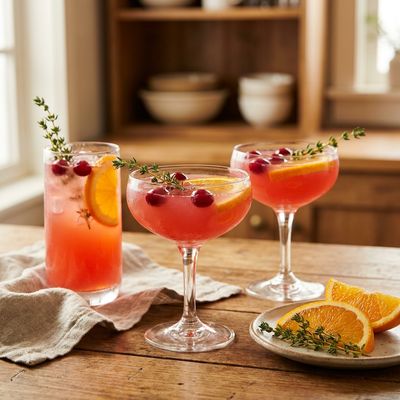
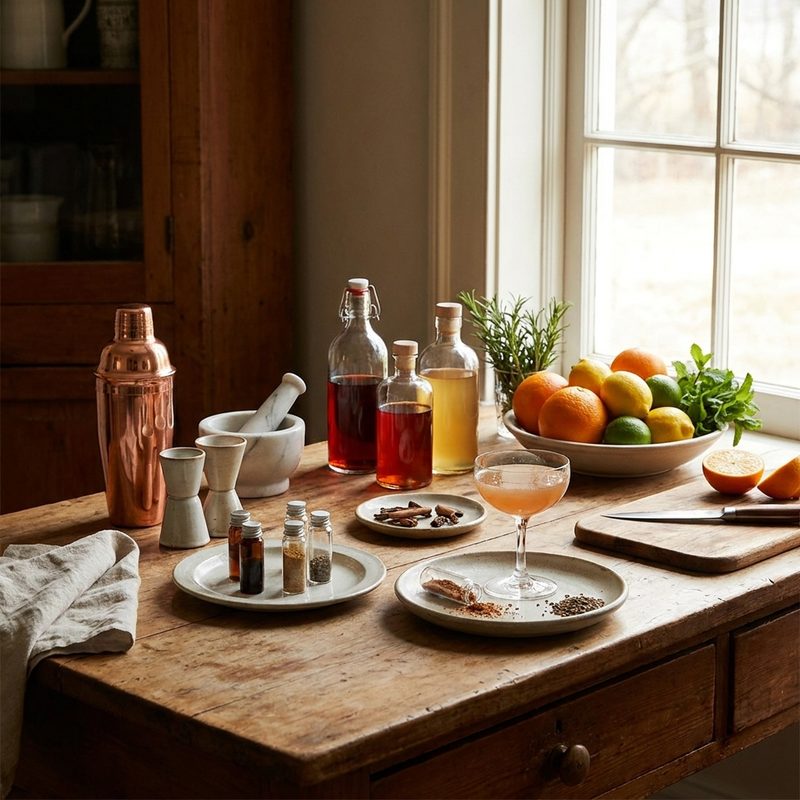
The secret to most classic cocktails isn't a complex secret recipe; it's a simple ratio: 2:1:1. That means two parts spirit (like gin, vodka, or bourbon), one part sour (usually lemon or lime juice), and one part sweet (usually simple syrup). Once you memorize this ratio, you can swap ingredients in and out to create endless variations like the Gimlet, the Daiquiri, or the Whiskey Sour without ever looking at a book.
Choosing Quality Components
Because cocktails have so few ingredients, the quality of each component really shines through. Always use fresh-squeezed citrus juice rather than the bottled concentrate; the bright, volatile oils in fresh fruit provide an acidity that bottled versions simply cannot match. For your sweetener, a standard simple syrup—made by dissolving equal parts white sugar in hot water—provides a neutral base that lets the spirit lead the way.
The Importance of Temperature and Dilution
Ice is the most overlooked ingredient in a cocktail. It does two jobs: it chills the drink and it adds water. As you shake or stir, the ice melts slightly, mellowing the harshness of the alcohol and 'opening up' the flavors. For drinks containing juice or dairy, shake vigorously for about 12 to 15 seconds until the shaker is frosty. For spirit-only drinks like a Martini, stir gently with plenty of ice to maintain a silky, crystal-clear texture.
The Proper Order of Operations
A practical tip for the home kitchen is to always add your cheapest ingredients to the mixing glass first. Start with your syrups and juices, then add the spirits last. This way, if you accidentally double-pour the lime juice or drop a seed in the glass, you haven't wasted your expensive liquor. Only add your ice at the very last moment before you are ready to shake or stir to prevent the drink from becoming watery.
The Final Taste Test
Before you strain the drink into your glass, perform a 'straw test.' Dip a straw into the liquid, cap the end with your finger to trap a small amount, and taste it. This is your chance to adjust. Is it too sharp? Add a teaspoon of syrup. Is it cloying? Add a squeeze of lime. Balancing a drink is a sensory skill that improves the more you practice.