Guide
How to Rescue a Split Batter: A Simple Guide for Home Bakers
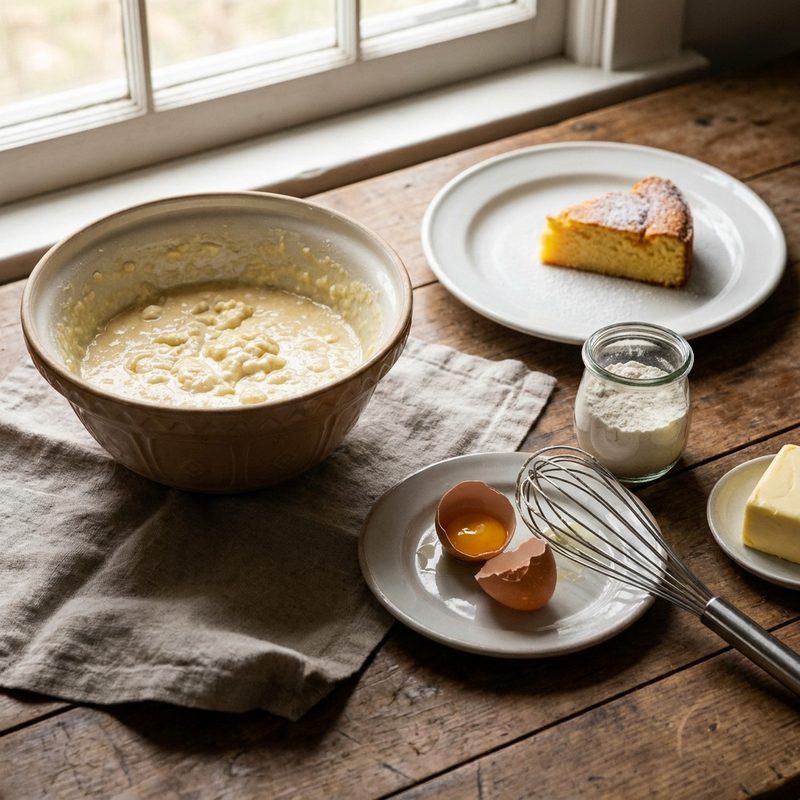
Every home baker has been there: you're following a recipe perfectly, but as soon as you add that second or third egg, your beautiful creamed mixture turns into a lumpy, curdled mess. Don't worry—your cake isn't ruined, and you certainly shouldn't throw it away.
Step 1: Understand Why it Happened
A split or curdled batter usually happens because the emulsion has broken. This is often caused by a temperature difference—usually cold eggs being added to room-temperature butter—or adding liquid (like eggs) too quickly for the fat to absorb. When the emulsion breaks, the fat and water separate, creating that grainy, cottage-cheese appearance.
Step 2: The Flour Fix (The Easiest Rescue)
If your batter has just started to look slightly grainy, the most reliable fix is to add a tablespoon or two of the flour already called for in your recipe. Sift it in and fold or whisk gently. The flour absorbs the excess moisture and helps bind the fat back into the mixture. Be careful not to add too much, as you don't want to develop too much gluten before the rest of the ingredients are in.
Step 3: The Warmth Trick
If your batter split because your eggs were too cold, the fat has likely hardened into tiny lumps. To fix this, you can place your mixing bowl over a pot of barely simmering water (a bain-marie) for just 10-15 seconds while whisking constantly. The slight heat will soften the butter just enough to allow the emulsion to reform. Alternatively, a very brief blast with a hairdryer against the side of the bowl while mixing can do the trick.
Step 4: The Power of Persistent Whisking
Sometimes, all a split batter needs is a bit of muscle. If you are using a stand mixer, increase the speed to medium-high for about 30 seconds. The mechanical action can force the emulsion back together. However, only do this *before* you have added the bulk of your flour, otherwise, you'll end up with a tough, rubbery cake.
Step 5: Proceed with Confidence
Once the batter looks smooth and creamy again, continue adding your remaining eggs much more slowly. A good rule of thumb is to beat for a full minute after each egg addition to ensure it is fully incorporated before moving on to the next one.